
How can restaurants capture more reservations during peak hours?

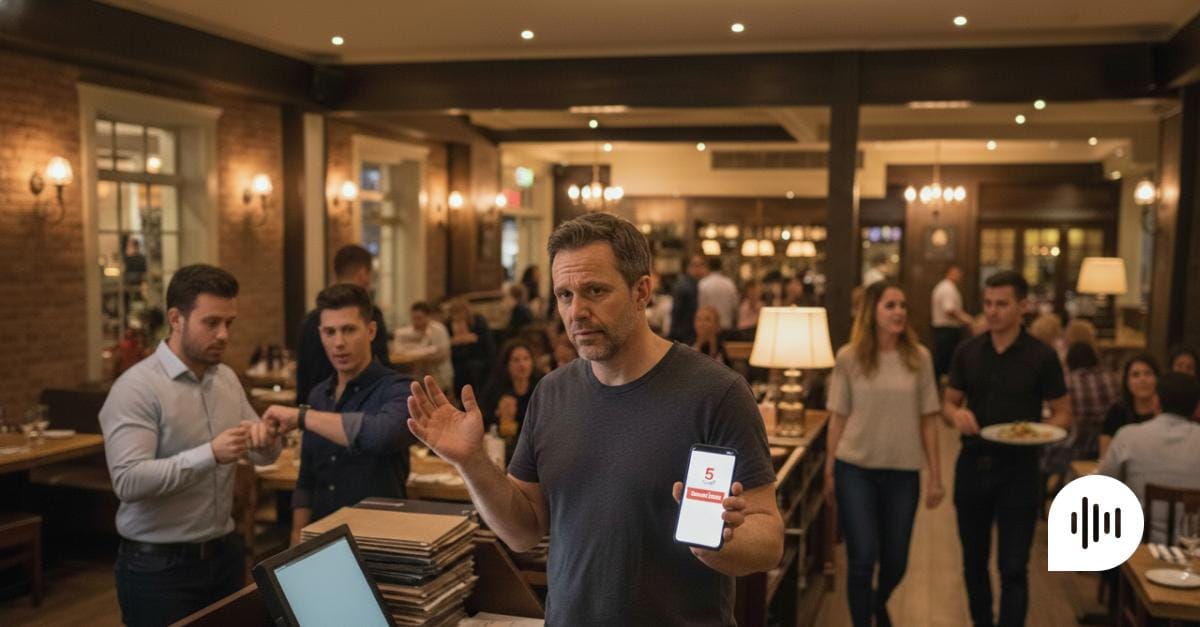
Peak hours are what pay the electricity, the rent and the wages. But they’re also when it hurts most if reservations slip away because the phone is busy, WhatsApp goes unanswered, or a last-minute no-show leaves a table empty.
On a good night, an empty table at 9:30pm can easily mean £200–£350 gone, depending on your average ticket. And if that happens every Friday and Saturday, it adds up quickly.
We’ve spoken to plenty of owners and managers who’ve been through exactly this. The good news is that there are ways to recover those reservations without hiring three extra people just to sit by the phone. The key is automating the repetitive parts without the guest feeling like they’re talking to a robot.
Why do so many reservations get lost exactly when you need them most?
During peak hours, everything happens at once.
The phone keeps ringing while the host is seating tables and juggling walk-ins.
WhatsApp messages come in asking about availability, allergens, time changes, and no one sees them for half an hour.
Reservations made weeks ago suddenly turn into no-shows.
And someone decides at 10:15pm that they fancy coming in, calls… and the line is engaged.
The result? Empty tables, lost revenue and mounting stress.
None of it feels dramatic in isolation. It’s the accumulation that stings.
How can AI handle the volume without burning out the team?
The idea isn’t to replace your human host. That doesn’t work in a real rush.
The idea is to take away what drains their time and attention: repetitive questions and straightforward bookings.
A good voice AI system can:
- Answer calls with natural speech and understand phrases like, “We’d like a table for six at 9:30, but if not, 10 o’clock works.”
- Handle WhatsApp at the same time, confirm in seconds and update the diary in real time.
- Send automatic reminders the day before and an hour before.
- Recognise when something is more complex, like a specific allergy or special request, and answer based on the knowledge you give it. If not, pass it to the team without the guest noticing the switch.
In restaurants already using systems like DigaFood, hosts spend more time on the floor helping guests and less time glued to the phone. Reservations that used to slip away because the line was busy or a message was missed now get captured automatically.
Do automatic reminders really reduce no-shows?
In many cases, yes.
Restaurants that send clear WhatsApp or SMS reminders often see a meaningful drop in no-shows. The exact figure varies by audience and tone, but the pattern is consistent: when confirmation is easy, attendance improves.
What matters most is simplicity.
“Reservation confirmed for 4 at 9:30pm. All good? Reply YES or modify here.”
If there’s no response, the system alerts the team early enough for them to reallocate the table calmly.
It’s less about policing guests and more about removing friction.
| Metric | Without AI (Current Situation) | With Heydiga |
|---|---|---|
| Missed calls per day | 5 | 0–1 |
| Missed reservations per week | 20 | 2–4 |
| Estimated revenue lost per week | ~£900 | ~£150 |
| Estimated revenue lost per year | ~£46,800 | Significantly reduced |
| After-hours bookings captured | 0 | 10–20 extra per month |
| No-show rate | 10–15% typical | Reduced through reminders |
| Staff time spent on calls/messages | 2–3 hours per day | Mostly automated |
| Operational stress during rush | High | Noticeably lower |
| Visibility of communication data | Fragmented | Centralised & measurable |
What about last-minute bookings or messages outside opening hours?
This is where a lot of invisible revenue sits.
The person who decides at 11:45pm on a Tuesday to book for Saturday.
The guest who sends a message at 2am because that’s when they finally remembered.
Before, those enquiries would wait until the next day. Or get lost. Or go elsewhere.
With a system like DigaFood, those bookings can be checked against real availability and confirmed even when the restaurant is closed. Many owners notice that simply responding instantly, regardless of the hour, brings in reservations that previously never made it into the diary.
It’s not about pushing harder. It’s about being reachable when guests are ready.
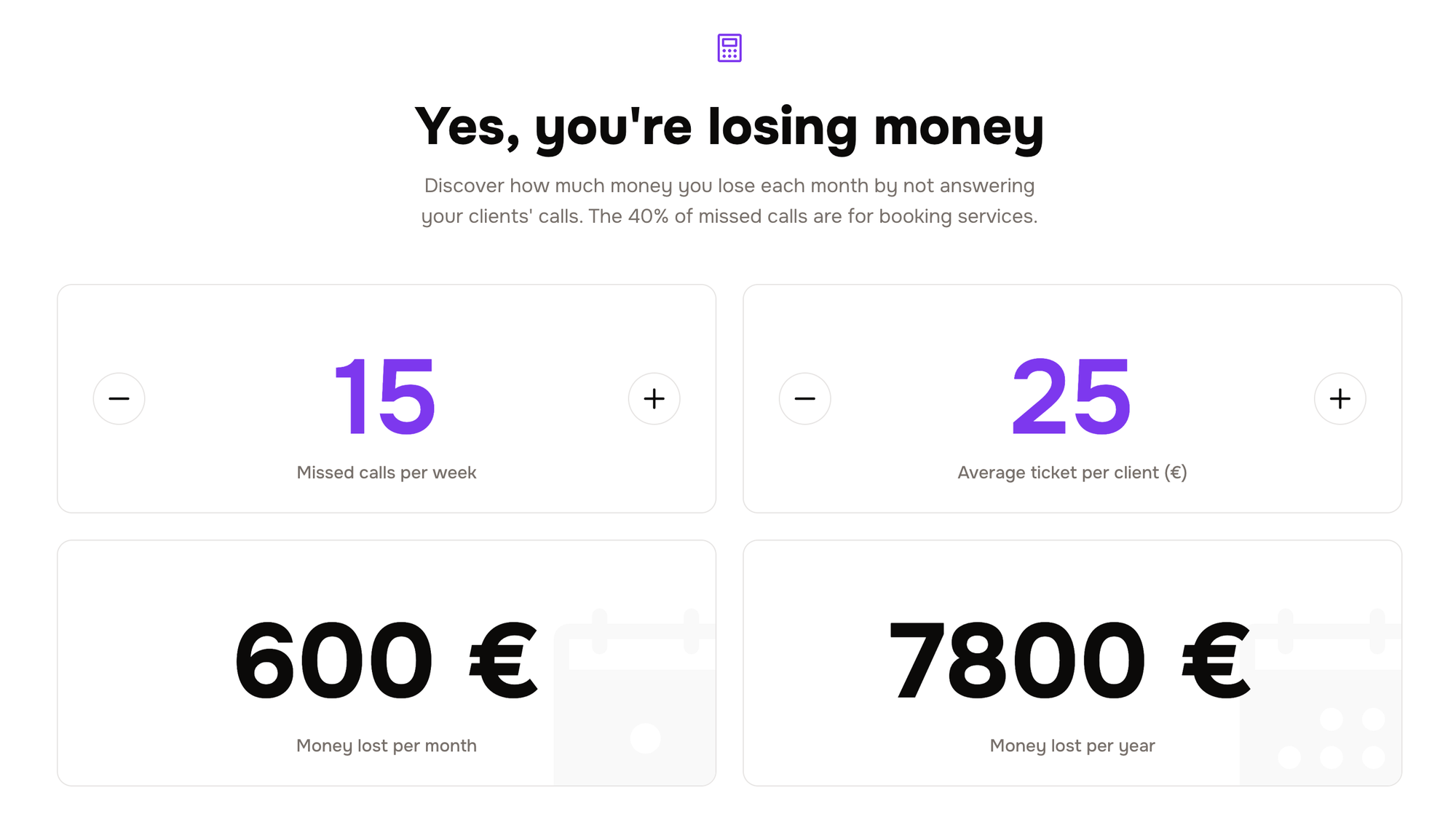
How do you start without overcomplicating things?
The good thing is that you don’t need a long transition period.
Once your services, availability and rules are properly set up, the system can start handling calls and messages straight away. It doesn’t need weeks of training or a slow rollout.
From day one, it can answer bookings, questions, manage changes and send confirmations using your real availability.
The key is configuring it properly so it reflects how your restaurant actually operates.
After that, it simply runs in the background while your team focuses on service.
No operational drama. No complicated migration. Just fewer missed opportunities from the very beginning.